
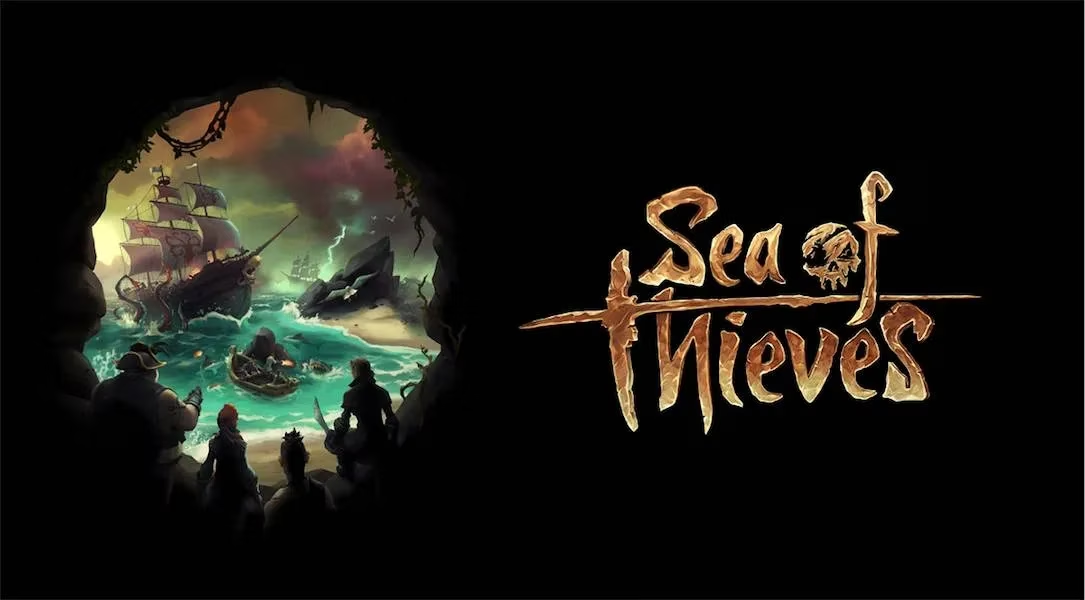
In the years since Sea of Thieves first set sail, one early milestone has become a useful lens for Xbox's evolving strategy: the pirate adventure did not merely meet Microsoft's commercial targets, it beat them. According to Phil Spencer, Executive President of Gaming at Microsoft, the Rare-developed title sold 'significantly more' than the company had projected. Rare producer Joe Neate reinforced the point, telling US Gamer that the team had a target to hit by the end of June and reached it on day one of sales. The result was notable in 2018, and it remains a telling example in 2026 of how a first-party new IP can benefit from a subscription ecosystem rather than be diluted by it.
A launch that outpaced the plan
Sea of Thieves arrived as one of the most anticipated Xbox One exclusives of 2018. Its cartoony pirate fantasy gave players a clear promise: gather a crew, sail the seas, hunt treasure, and create stories in a shared multiplayer sandbox. That premise generated plenty of attention before launch, but attention alone does not guarantee commercial success. Spencer's comments to Giant Bomb and Neate's remarks to US Gamer showed that internal expectations were not just met but exceeded. The 'day one' detail is especially striking. A target set for the end of June was cleared at launch, suggesting demand was stronger and faster than Rare and Microsoft had modeled.
For a new intellectual property, that kind of overperformance is rare and valuable. Established franchises arrive with built-in audiences and recognizable names. A new IP has to earn attention, convince players to take a risk, and then keep them engaged long enough to justify future investment. Sea of Thieves did not have the safety net of an existing series. It had a distinctive art style, a social premise, and the backing of Xbox's first-party machine. Beating internal sales projections on day one gave the project a strong early signal that the audience was there.
Game Pass did not cannibalize sales
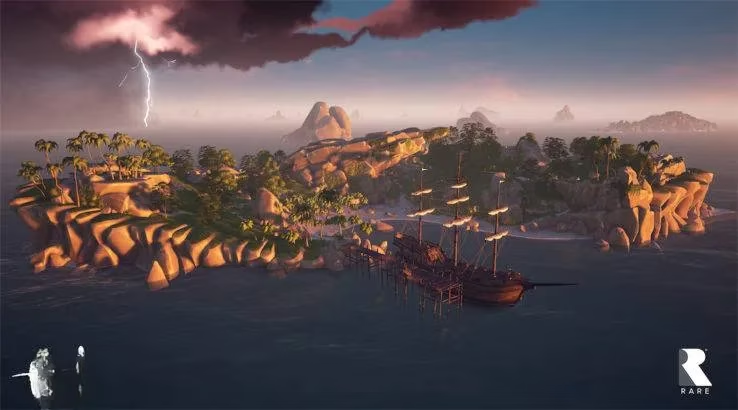
Before launch, some observers worried that including Sea of Thieves in Xbox Game Pass on day one would undercut sales. The logic seemed simple: why buy a game that is available through a subscription? The actual outcome challenged that assumption. Neate said he believed Game Pass and Mixer contributed to the game's success. The multiplayer-driven nature of Sea of Thieves made it a natural fit for a service that lowers the barrier to entry and encourages friends to try together. Mixer, then Microsoft's streaming platform, added another discovery and community layer. The game's social design meant more players could create more content, more crew stories, and more reasons for others to join.
That early result did not prove that every game would benefit from day-one subscription availability. It did show that the model could work under the right conditions: a social game, a broad audience, and a service designed to reduce friction. Sea of Thieves was not a single-player prestige title that relied on a one-time purchase. It was a living multiplayer world that became more valuable as more people entered it. Game Pass helped put more pirates on the map, and those pirates helped make the map feel alive.
| Claim | Detail |
|---|---|
| Sales vs expectations | Sold 'significantly more' than Microsoft projected, per Phil Spencer |
| Internal target | End-of-June goal reached on day one, per Joe Neate |
| Subscription effect | Game Pass and Mixer were seen as contributors, not drags |
| New IP status | Fastest-selling first-party new IP for Xbox One at the time |
A milestone with long-term weight
Microsoft had already called Sea of Thieves 'the fastest-selling first-party new IP for Xbox One' shortly after launch. That label mattered because new intellectual property is hard to establish. A successful new IP can become a franchise, a community, and a reason for players to stay within an ecosystem. In 2026, the conversation around games is even more focused on live services, subscriptions, and cross-platform reach. Sea of Thieves' early performance is an early data point in that story. It suggested that day-one availability through Game Pass could function as marketing, community-building, and revenue driver at once, at least for a social multiplayer game with broad appeal.
For Microsoft, the overperformance supported a strategic bet: first-party games can anchor a subscription service without sacrificing commercial success. For Rare, it validated a multiplayer-first design that depends on community. For players, it meant the pirate sandbox had enough population to sustain its crew-based chaos. The exact sales figures were never the headline. The headline was the signal: Sea of Thieves found an audience faster than its maker expected, and the business model around it may have helped rather than hurt.
Why the result still resonates
The early win also offered a few practical lessons that remain relevant as Xbox's subscription and live-service strategy has matured:
-
Day-one Game Pass availability lowered friction for curious players.
-
Mixer-era streaming added social discovery around a game built for shared moments.
-
Multiplayer design turned players into recruiters for the pirate fantasy.
-
New IP status gave Xbox a rare first-party success story to promote.
In 2026, that early result looks less like a surprise and more like a template. Sea of Thieves did not just exceed Microsoft's sales expectations. It arrived at a moment when the company was testing a new way to deliver games, and it helped show that a subscription service could coexist with commercial ambition. The pirate adventure was expected to be exciting. What was less expected was how quickly it would become a business case study as well.