
What happens when a highly anticipated closed beta locks out its most eager players right at the activation screen? Back in January 2018, that exact scenario played out for Rare's pirate-themed multiplayer adventure, Sea of Thieves. A frustrating "Too Early" message bug prevented a number of pre-order customers—one of the groups granted closed beta access—from ever setting sail. Instead of walking the plank, Rare responded with a swift and player-friendly fix: extending the closed beta by two days. In 2026, looking back at this incident offers a fascinating case study in beta management, community trust, and how a small misstep can become a lesson in goodwill.
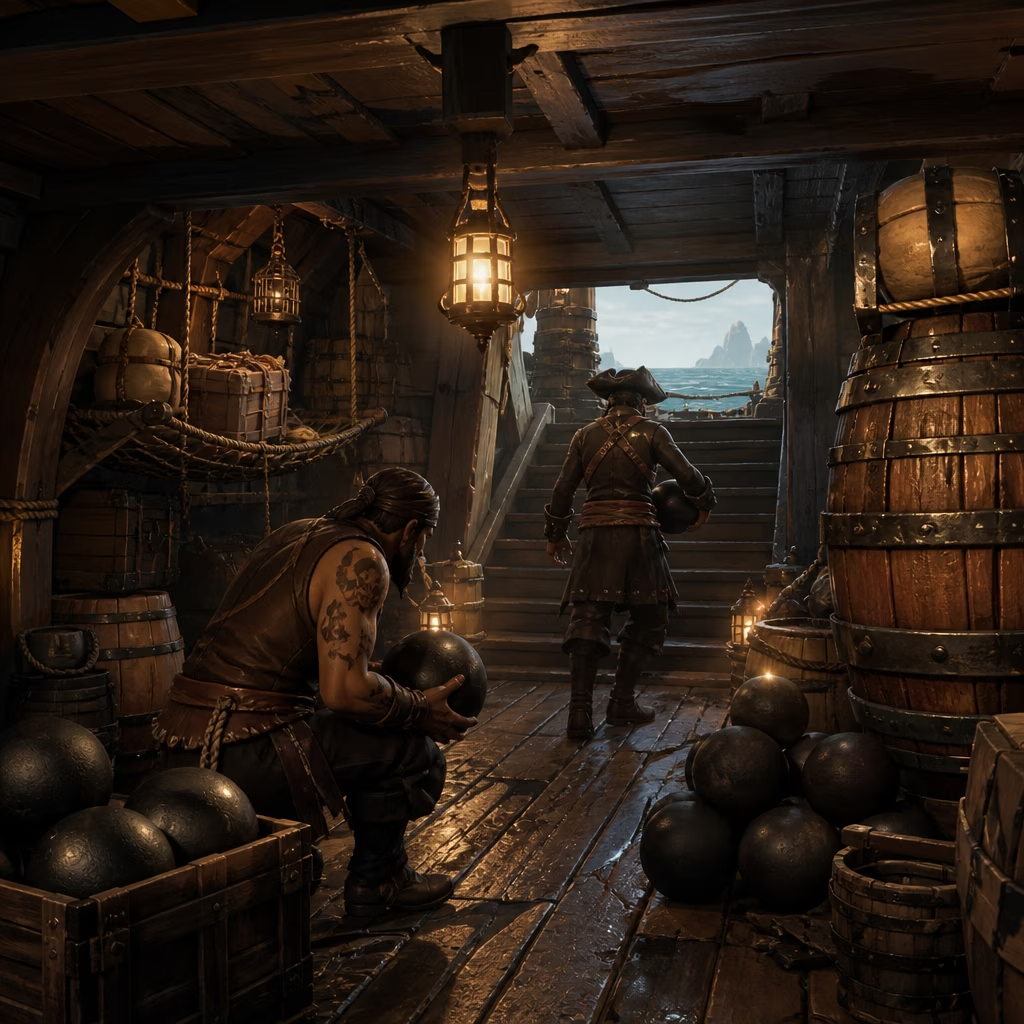
The bug itself was simple but devastating for those affected. Players who had pre-ordered the game—a common route into the closed beta—found themselves stuck on an activation screen with a cryptic "Too Early" message. For hours, a slice of the community watched from the shore while others sailed the seas. Rare, to its credit, didn't hide from the problem. The studio acknowledged the issue publicly and confirmed that the closed beta would be extended by two days to compensate for lost time. The new end date was set for Wednesday, January 31st at 8am GMT. In a statement, Rare emphasized that "gaming hours are precious" and that the team's number one goal was to get everyone with access into the game as soon as possible. That kind of transparency—and the willingness to give back time—resonated with players.
Why does this moment still matter nearly a decade later? Because it highlights a truth that every online game developer eventually learns: betas are not just technical tests; they are trust exercises. When players pre-order or sign up early, they invest both money and expectation. A bug that locks them out isn't merely an inconvenience—it feels like a broken promise. Rare's decision to extend the beta wasn't just about fixing a glitch; it was about repairing that promise. The studio could have simply patched the bug and moved on. Instead, it chose to over-deliver on compensation, turning a negative experience into a positive story that players still reference today.
Here's a quick breakdown of the key facts from that January 2018 episode:
| Aspect | Detail |
|---|---|
| Game | Sea of Thieves (Rare) |
| Issue | "Too Early" activation bug |
| Affected group | Pre-order customers in closed beta |
| Developer response | Extended beta by two days |
| New end date | Wednesday, January 31st at 8am GMT |
| Core message | "Gaming hours are precious" |
What can modern developers learn from this? First, speed of acknowledgment matters. Rare didn't wait for a perfect fix before communicating; it told players what was happening and what it planned to do. Second, compensation should be proportional but generous. Two extra days of beta might sound small, but for eager pirates who had planned their weekend around the test, it was a meaningful gesture. Third, the tone of the response matters. Rare's statement was empathetic, not defensive. It recognized that players had choices about how to spend their time, and it thanked them by giving some of that time back.
Of course, one might ask: was the extension enough? For most players, yes. The closed beta ultimately served its purpose—stress-testing servers, gathering feedback, and building hype. Sea of Thieves went on to launch in March 2018 and has since grown into a mature live-service game with a dedicated community. But the "Too Early" bug remains a useful reminder that even the most polished betas can stumble. The question isn't whether problems will happen; it's how a studio responds when they do. Rare's answer—extend, apologize, and put players first—is still a model worth studying in 2026, when early access and beta programs are more common than ever.
For those who lived through that frustrating activation screen, the two-day extension was a small but memorable victory. For everyone else, it's a story about how a bug became a bridge between developer and community. And isn't that what a good beta is supposed to be about? Not just finding errors, but building relationships that last long after the servers go live. 🏴☠️