
From my desk in 2026, with a Sea of Thieves login streak that has outlived two hard drives, the oddest part of the game’s launch is how normal its business model now feels. Back in March 2018 I was a budget-minded player staring at an Xbox One X price tag and telling myself I did not need another console. Then Microsoft made an offer that felt almost too generous: between March 18 and March 24, 2018, most Xbox One markets gave away a free digital copy of Sea of Thieves with every Xbox One X purchase. Start and end dates varied by market, so I did what any cautious pirate would do—I asked at my local retailer before reaching for my wallet.
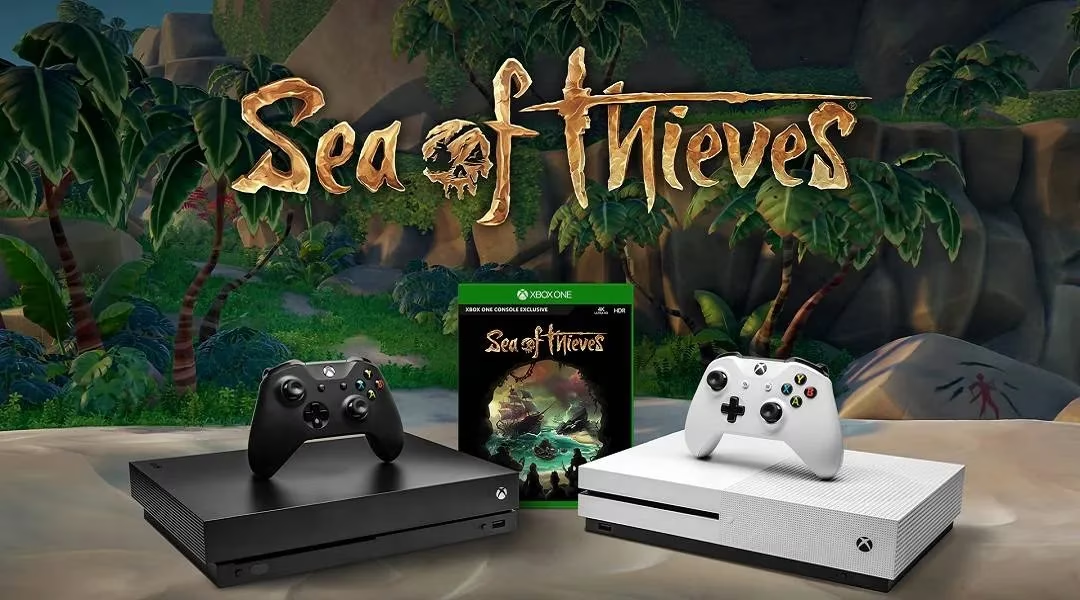
The offer was simple, but the details mattered. This was a digital copy, not a disc, which meant it arrived as a download and could travel with my account. Because Sea of Thieves supported Play Anywhere, the same purchase also unlocked the game on Windows 10 PC. For a player who split time between a living-room console and a desktop, that was the hook. I could sail on the TV, then continue on my PC without buying the game twice. The game itself launched on March 20, 2018 for PC and Xbox One, so the promotion landed right as the first crews were preparing to set sail.
| 🏴☠️ Offer detail | What I remember |
|---|---|
| When | March 18–24, 2018, with dates varying by market |
| What | A free digital copy of Sea of Thieves with an Xbox One X |
| Where | Most Xbox One markets |
| Extra value | Play Anywhere access on Windows 10 PC |
| Game launch | March 20, 2018 on PC and Xbox One |
I did not buy the console that week. I was tempted, but I was also the kind of player who had learned to wait for reviews and friends’ impressions. What I did do was watch the launch from the sidelines and realize Microsoft was testing a different idea. The company was not only trying to sell a box; it was trying to pull people into a long-running game. A free copy with hardware was one route. A subscription was another. Earlier that year Microsoft confirmed that first-party games would come to Xbox Game Pass, and Sea of Thieves would be part of that lineup. For a monthly fee, players could play the game as much as they wanted without buying it outright.
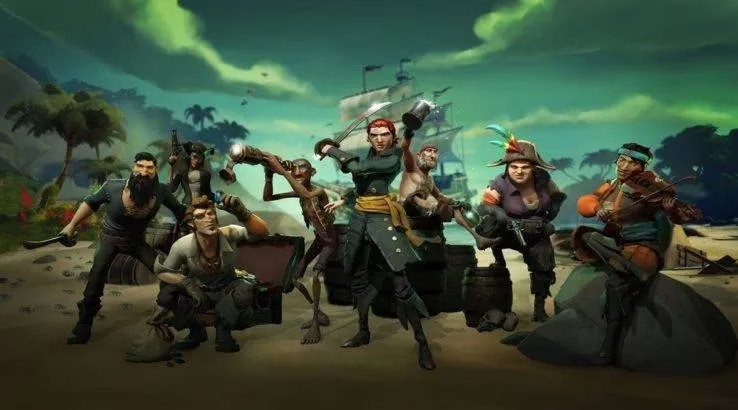
That sounded strange to me in 2018. I had grown up thinking of games as things I bought once and owned. A Netflix-style buffet for games felt like a rental shop with extra steps. Yet the logic became clearer the more I watched Sea of Thieves grow. The game was not a story I could finish in a weekend and shelve. It was a shared ocean, a place for tall tales, treasure hunts, and unpredictable crewmates. Keeping players inside that world for months, not just selling them a launch copy, was the real goal.
That shift also explained the microtransaction question. If players could enter cheaply through a console promotion or a Game Pass subscription, the money had to come from somewhere else: cosmetics, expansions, and long-tail spending. I remember being suspicious of that model. In 2026, I am still wary when a game launches with a shop, but I also see the trade-off more clearly. Microsoft was less interested in counting consoles sold than in keeping players active in service-style games. Cheap entry points were part of the plan, not a glitch.
Eight years later, my own habit proves the point. I eventually played Sea of Thieves through a subscription, not a full-price purchase, and I stayed far longer than I would have if I had only bought a disc. I still remember the March 2018 promotion because it was one of the first times I saw a major platform holder treat a big exclusive as both a hardware incentive and a subscription gateway. The Xbox One X is a retired console now, and 2018 is a long way behind us, but the lesson has not faded. A free copy can start a voyage; a service can keep the ship sailing. For me, that was the real treasure hidden in the offer.